
BLOG RINA SUPERYACHT CIRCLE
Return on Experience: what yachting needs to communicate
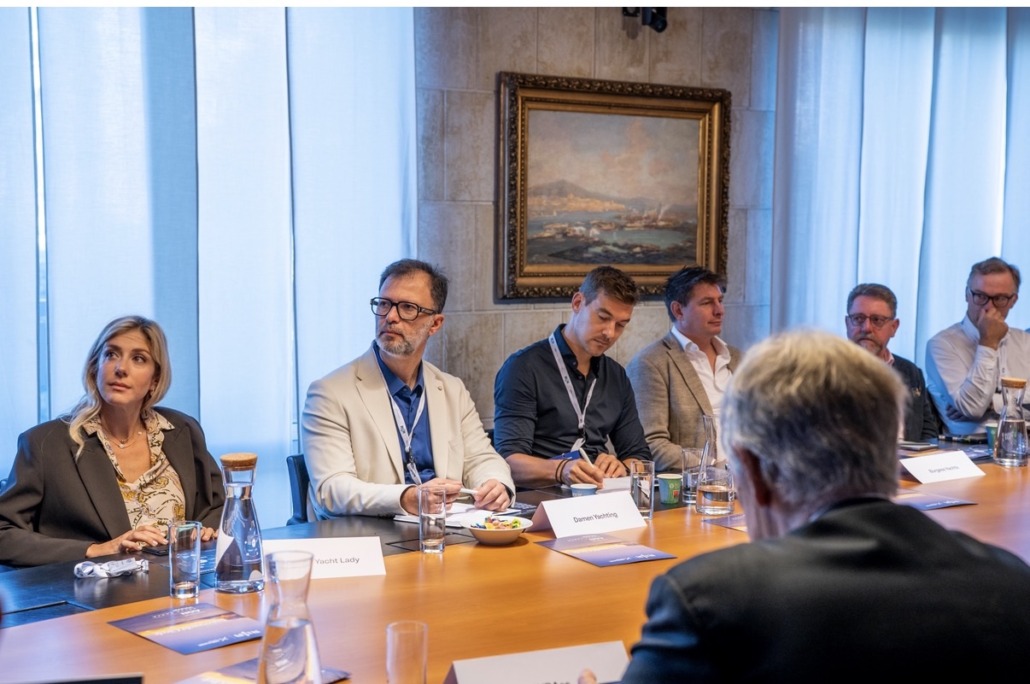
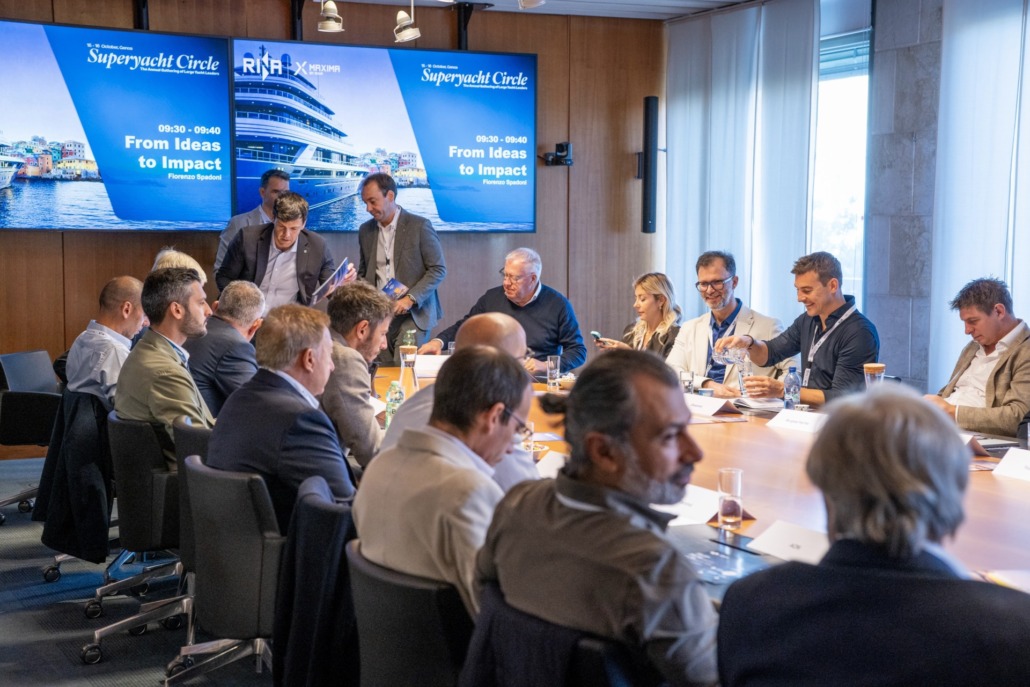
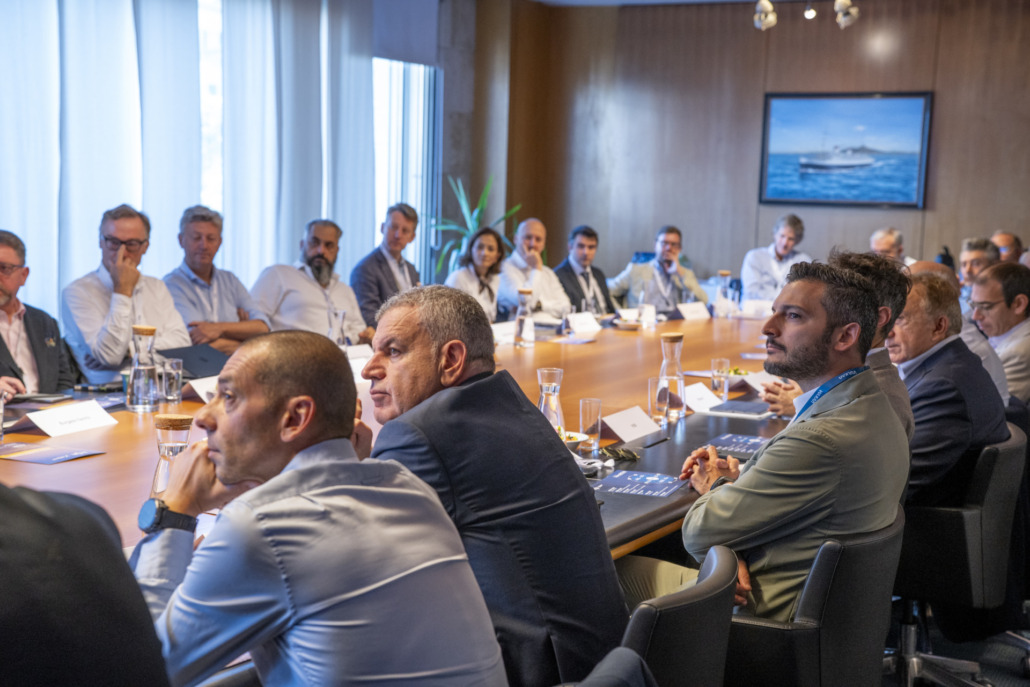
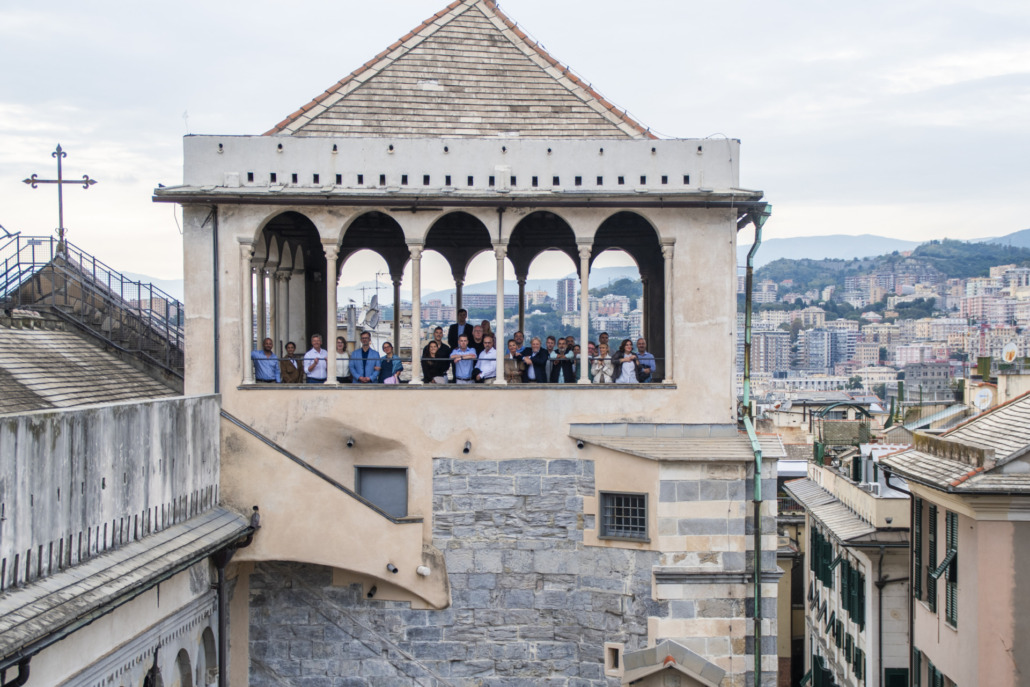
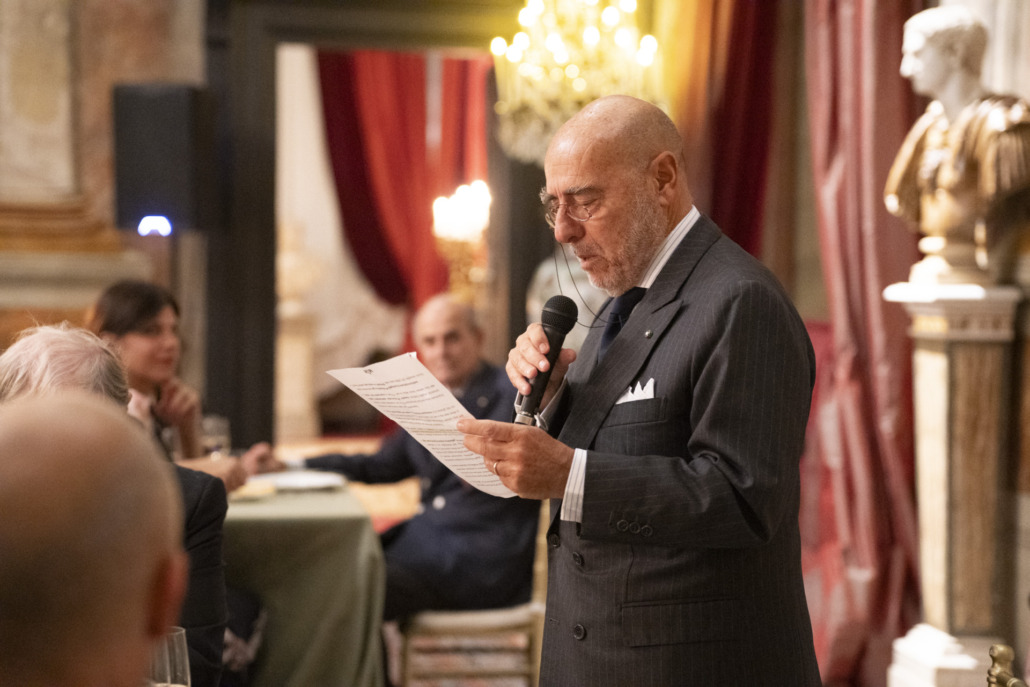
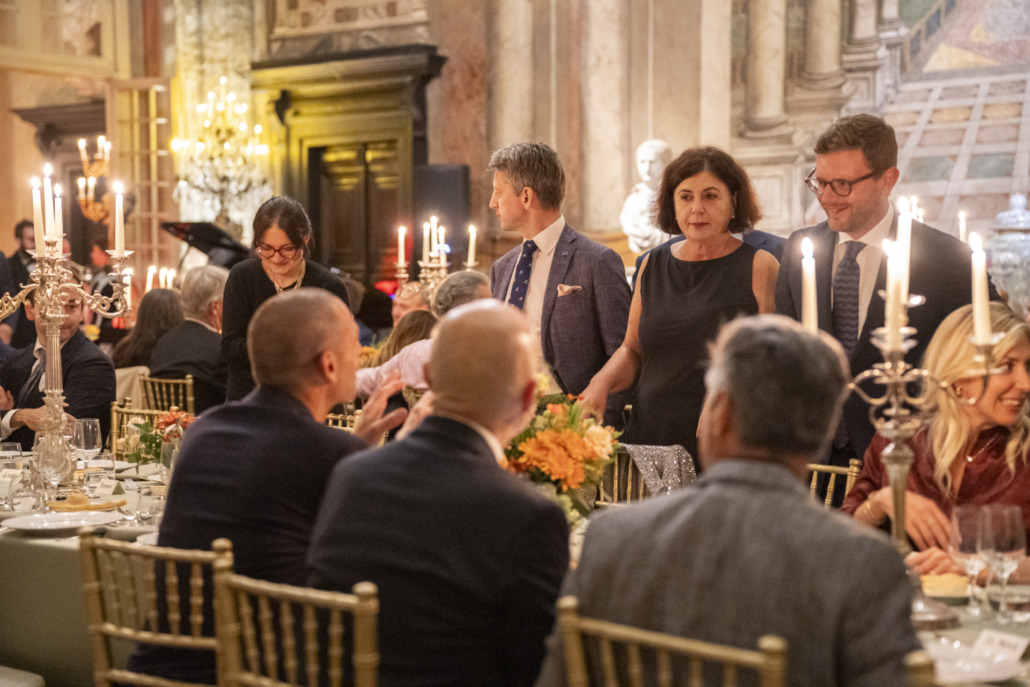
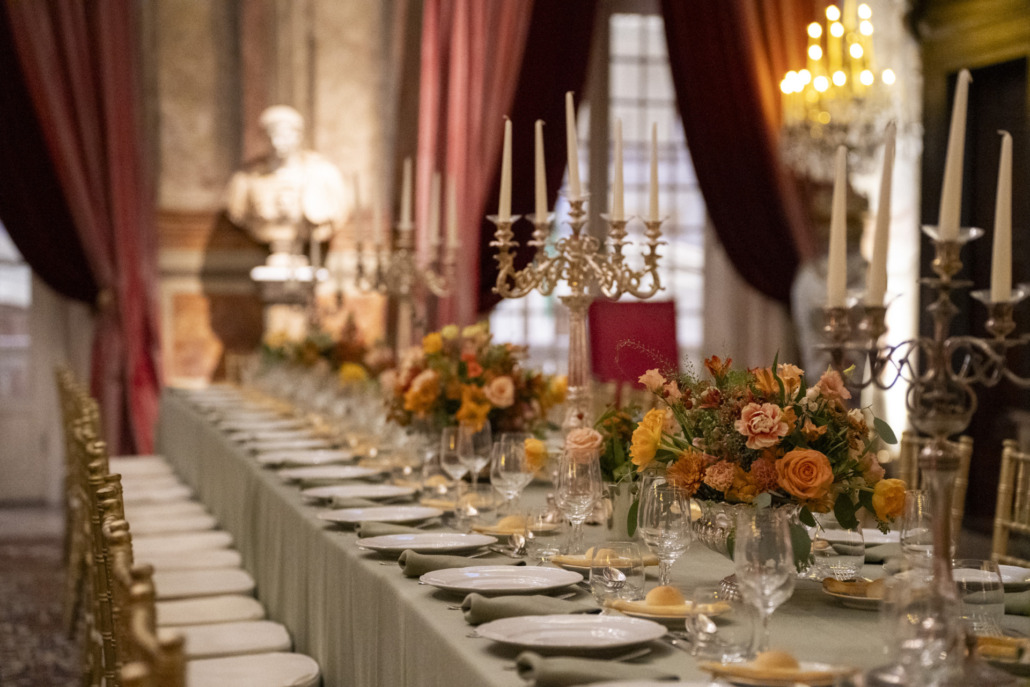
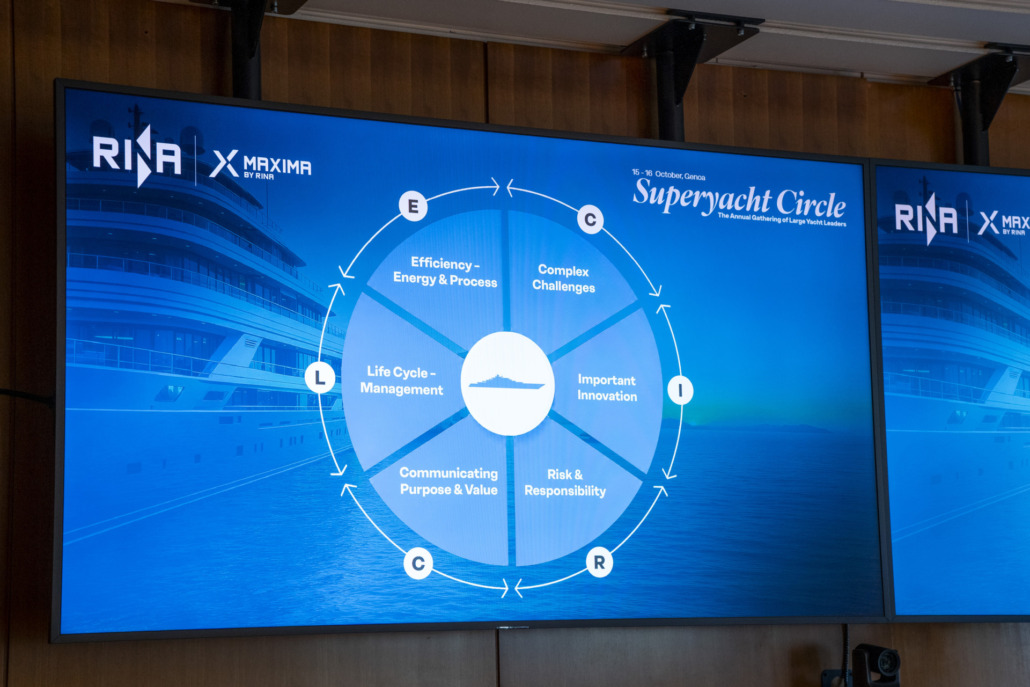
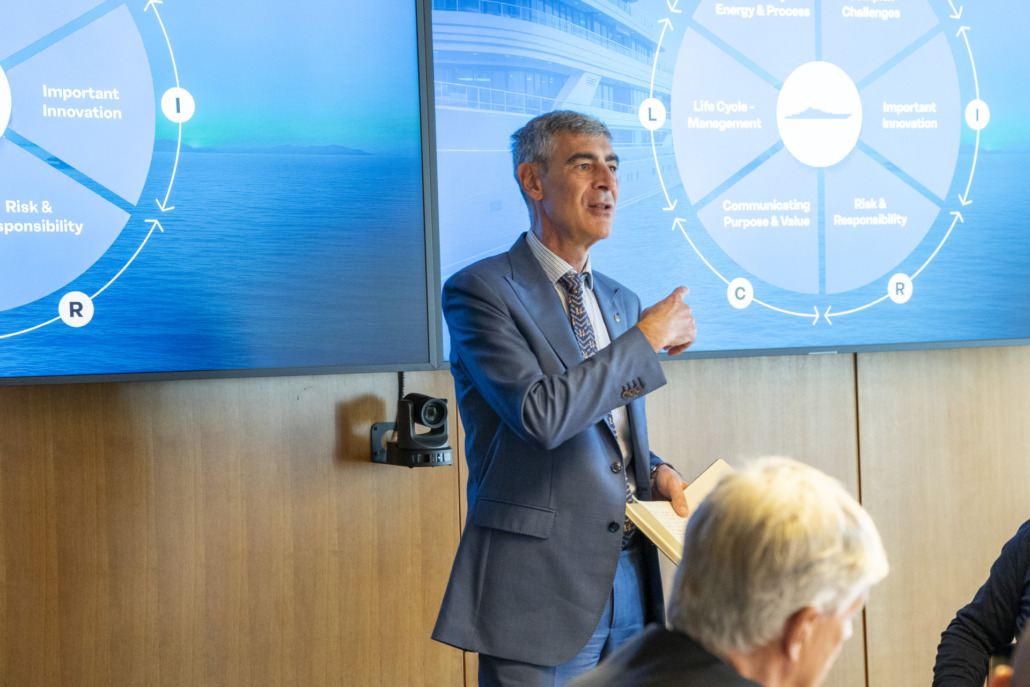
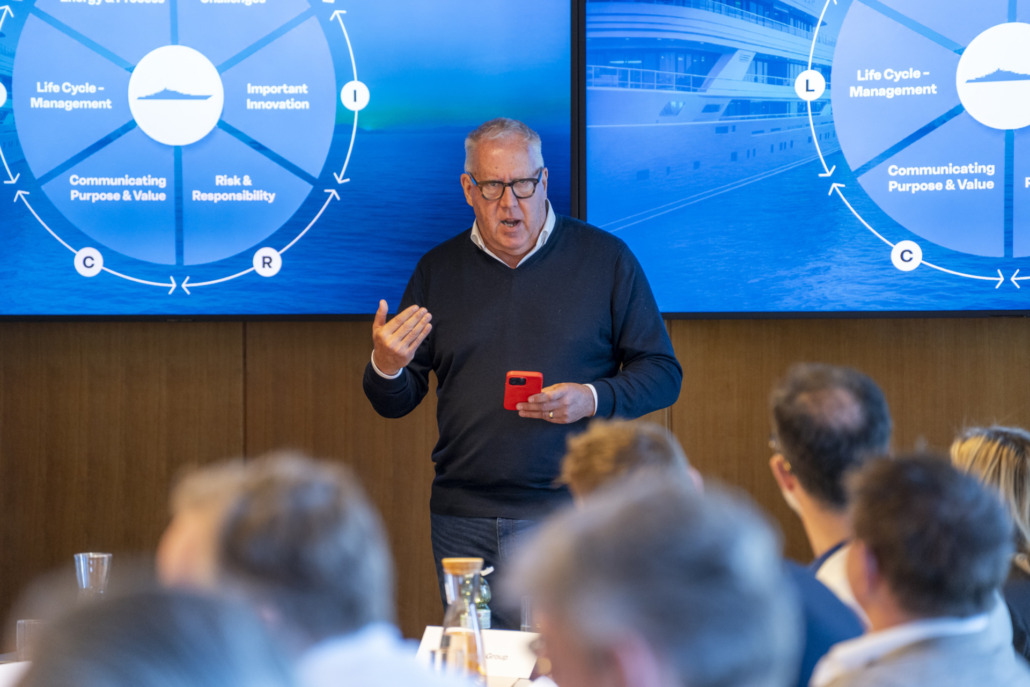
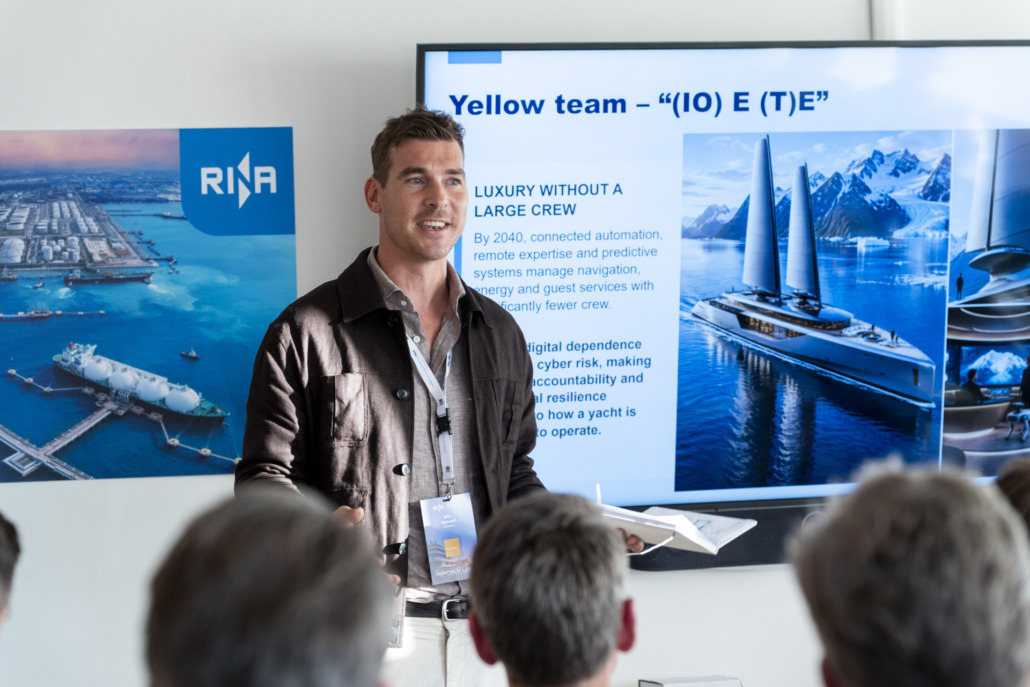
On 15 and 16 October, RINA brought shipyards, designers, brokers and captains together at its offices in Genoa for the first edition of the Superyacht Circle. A new format: six themes, one for each letter of the word CIRCLE, to imagine the yacht of 2040 together. From the complexity of projects to innovation, from responsibility after delivery to a yacht’s life cycle, and on to the efficiency of energy and processes.
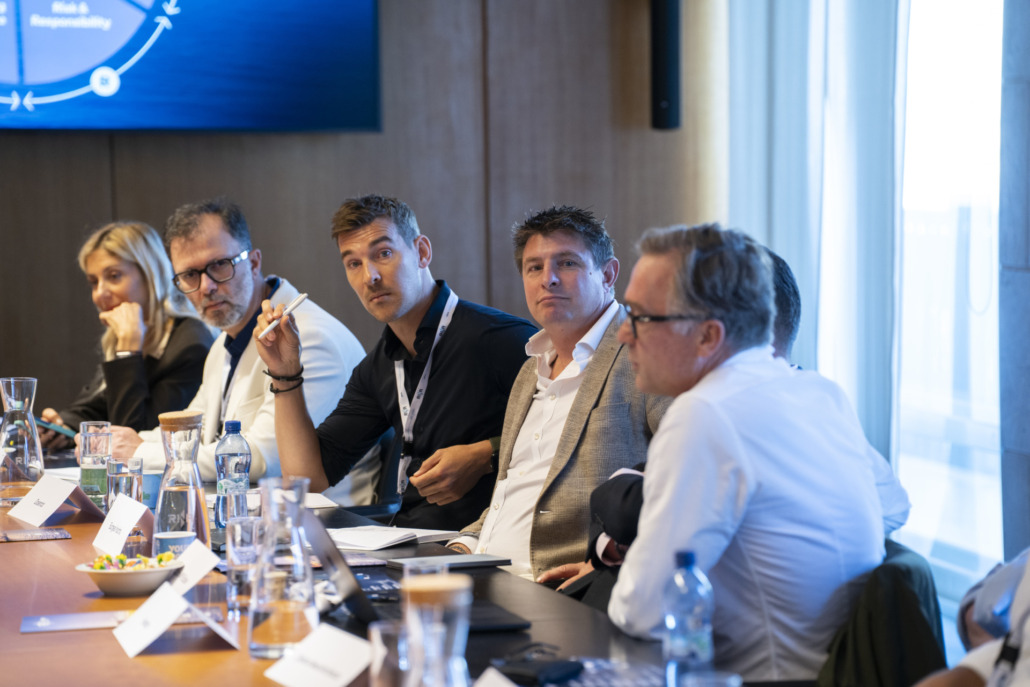
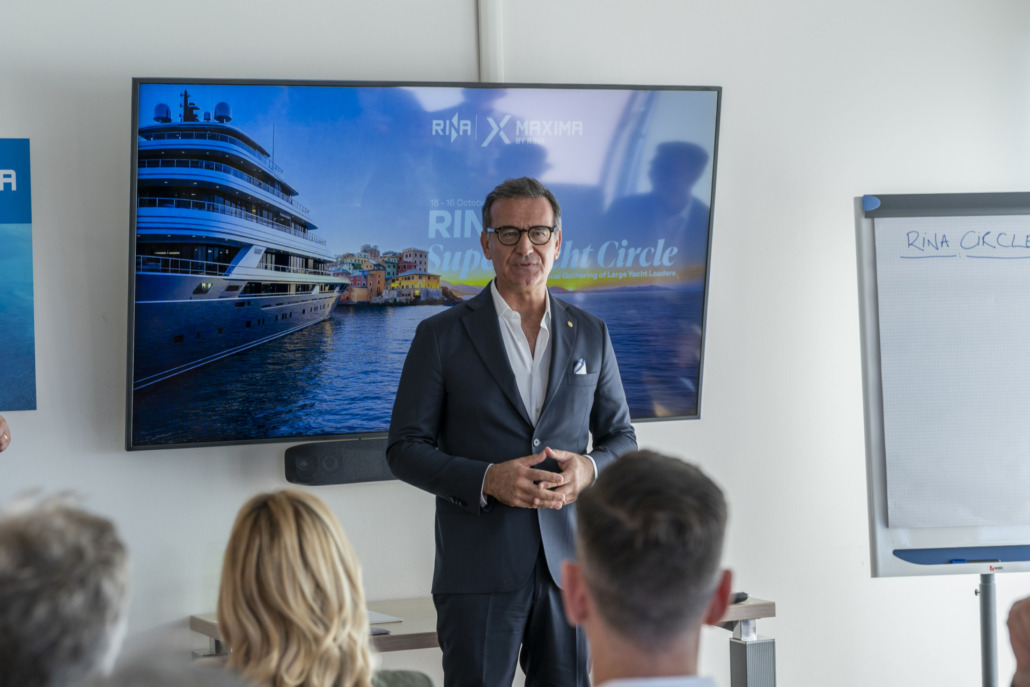
RINA invited me to speak on the C, “Communicating Purpose & Value”, and to tell the guests, including representatives of Feadship, Oceanco, Damen Yachting, Sanlorenzo, Tankoa Yachts, Benetti, Ferretti Group, Cantiere delle Marche, Turquoise Yachts, Ares Yachts, Burgess and Fraser, how communication in yachting has changed over the years. The starting point was a very specific question: as an industry we do amazing things and build incredible projects, but rarely do we help the wider world and potential customers understand the purpose and value of what we do. Are we missing a huge opportunity?
The format called for short contributions of just a few minutes each. While preparing mine, I gathered far more material than that could hold, so I decided to develop it separately, here on my blog.
The yacht no one had set foot on
In 2021, Ocean Alexander sold the first hull of its new 32L series to an owner who had never set foot on board. The whole deal was done online.
But here is the detail that matters: that owner had already owned an Ocean Alexander 85. The deal was closed remotely, but the trust had been built long before, on another boat from the same yard.
Seth Godin, one of the world’s most influential marketing thinkers, put it this way in an interview published on 5 October: real trust can only be earned up close. That is what I want to talk about: trust. How we build it, how the tools for building it have changed, and what the owners of tomorrow really want.
What people desire has changed
Let me start with where we are. Today there are more than 600 yachts under construction around the world, and more than half of them are being built in Italy. But the shape of the numbers matters more than the total. According to BOAT International’s 2026 Global Order Book, new orders have fallen for the second year in a row, while the yachts under construction have never been bigger. Fewer yachts, bigger yachts, chosen more carefully.
Why is this happening? In my view, because what people desire changes as the times change. In the 1950s and ’60s, a yacht was a stage: the Riviera, cinema, the jet set. People desired it because it was seen. From the ’80s to the 2000s, status was measured in metres. Then, over the last ten to fifteen years, the yacht began to shift from a status symbol to an expression of identity and belonging.
COVID accelerated this shift. The yacht became an existential refuge, a safe place to be with your family and with yourself, and in 2021 superyacht sales grew by more than 70 per cent. In 2022, with the sanctions on Russia, visibility even became a risk.
And a new generation of owners arrived, who no longer choose only on length, speed and number of cabins. A few years ago, shipyards didn’t talk about decibels in the owner’s cabin; today it is the owners themselves who ask for them. They also look at a brand’s legacy and at what that brand stands for. We have moved from showing what you own to saying who you are, and to living the experience.
Telling our story to many
For decades, communication in our world followed one rule: say little, to few people, and keep control. Owners were invisible by definition. The yard talked about itself: length, speed, materials. The product was the hero, and the spec sheet was the story.
The channels were few and slow: the broker’s address book, the magazine, the boat show. If you wanted to see a yacht, you got on a plane. The industry was rather self-referential.
Then the person behind the camera changed, and crews often got there before the marketing departments did. In 2020, SuperyachtNews told the story of Loon, a 47-metre charter yacht. Her captain, Paul Clarke, had opened an Instagram account in 2017, when hardly any yachts were on the platform. Three years later he had more than 56,000 followers and, by his own estimate, three million dollars in charters. Of those followers, he reckoned, maybe ten or twenty could afford the boat. And that was enough. It’s what Godin calls the smallest viable audience: you don’t need everyone, you need the right people. And Clarke’s rule applies to all of us: show the boat and the places, never the guests.
The pandemic did the rest. With boat shows cancelled, in 2020 brokers sold yachts through video calls, virtual tours and remote sea trials. That is the context of the Ocean Alexander sale.
Boat shows are still important, but today we have also moved to digital, to tell our story to many. Luxury has always known that a brand should be known by many and owned by few. The many create the desire; the few create the value. Digital leads because the focus is no longer just the object, but the experience through the object. Video tells that experience well, and more quickly, and social media is its natural platform.
I see it in my own work too. I communicate across several platforms: on Instagram, where my community is largest, I have more than 70,000 followers, and my content reaches an average of one and a half million views a month. But the number alone is worth nothing. What matters is who those people are, and the trust you manage to build with them.
That’s why, alongside digital, its opposite has grown too: meeting face to face. People don’t just want to read about yachts; they want to be part of that world. They look for exclusive encounters and a sense of belonging to the values of the shipyard they choose. For eleven years now, Ferretti Group has opened the boat show season with an invitation-only Private Preview at the Yacht Club de Monaco. And magazines have become media companies: BOAT International, for example, now has social media, newsletters, events, an owners’ club and awards.
The result is a paradox: owners want more privacy than ever, and the market wants more content than ever. We no longer control the story, but we can still choose what to show, and we must choose carefully, because this tool is so powerful that it can destroy a reputation in an instant: one photo of a hull under construction with a visible flaw, posted on a personal account, can do enormous damage to a shipyard.
Who buys above 30 metres today
So who is on the other side of the screen today?
According to Yacht Market Intelligence, over the last ten years the average age of first-time superyacht buyers has fallen from around 56 to under 50, driven by new wealth from technology, artificial intelligence and digital business. These newcomers buy the way they built their wealth: by doing their research. They arrive having watched every video and compared every spec sheet.
What do they ask for? First of all, wellbeing, which has two sides. One is technical: less noise and less vibration. The other is about space, with beach clubs, gyms and spas that keep getting bigger and closer to the water. Then range, to travel further. Then connectivity, to live and work on board, so a yacht is no longer used for just one week a year. And less hassle. In September, at the Cannes Yachting Festival, Ferretti Group announced an extra year of warranty on new yachts up to 45 metres. In 2023, Oceanco launched Simply Custom, a programme for those who want the pleasure of creating their own yacht without the burden of every technical decision.
A telling detail: at home, hardly anyone commissions an acoustic study or installs dozens of speakers. On a yacht, they do. It isn’t about status, it’s about pleasure: a yacht is where you treat yourself to things you would never do ashore.
Finally, buying a yacht is an experience in itself. It means imagining, for months, an object that doesn’t exist yet, and making decisions that can create tension. When I discussed this with a manager at Benetti, we agreed that when a delicate choice can be seen in virtual or augmented reality before it is built, it stops being a source of stress.
From owning to living
Which brings us to the real shift: the next owners aren’t buying an object, but what that object makes possible.
Back in 2019, Ben Lyons, CEO of EYOS Expeditions, a company specialising in yacht expeditions, told Northrop & Johnson about a trend towards experiences rather than objects: an encounter with nature, shared with your family, is worth more than anything you can buy. Jimmy Carroll, co-founder of Pelorus, which organises adventure and exploration travel by yacht, said that owners want a “Return on Experience” from their yacht. And he linked it to communication: better connectivity allows people to stay on board longer. So communication tools haven’t only changed how yachts are sold. They have changed how yachts are used.
Often, ownership starts with use. The first hull of Oceanco’s Simply Custom programme is its owners’ very first yacht. They came to a new build after years of chartering. First they experienced yachting, then they decided to own a yacht.
People today are active and dynamic, and they are looking for balance. That’s why wellbeing is the new frontier of yachting, and the next step is longevity. Azimut|Benetti, the group chaired by Giovanna Vitelli, is proof of this. At the end of September, in Monaco, Benetti presented Clear Waves, a 70-metre project developed with Luca Dini’s studio and The Longevity Suite. The wellness area isn’t below deck but on the upper deck, under a glass dome, with a programme of prevention and recovery. As Sebastiano Vida, Benetti’s head of product, put it, the starting point is the person.
Vasco Buonpensiere of Cantiere delle Marche sums it up: “Design has little to do with it. What matters more is what you can do with the boat.”
But if we sell experiences, we have to deliver them. Marketing makes the promise, but the captain, the crew, the engineers and the yard are the ones who keep it. In a market this small, word of a disappointing week on board travels fast.
A community, not just a market
There is another change, and it concerns even those who will never buy a yacht.
Yachting no longer belongs to a single social class. It has become a lifestyle, and everyone lives it in their own way. When an owner chooses a project, they also influence other people’s style: some start dressing like them, others start taking an interest in yachting. The automotive world has seen this for years.
Yachting is about navigation, travel and experience, both physical and mental. And in an always-connected world, everyone knows what it is, and everyone experiences it from their own point of view.
Here, there is a risk. If yachting stays closed in its niche, it risks losing people’s interest. But the answer isn’t to standardise. It’s to open many niches, like an ecosystem, where everyone can find their place and reach the right people. A door open to everyone, but behind it each brand still speaks to its own audience.
This may seem to contradict Godin’s idea of the smallest viable audience, but it doesn’t. The industry is for everyone, but every brand is for someone. A brand conveys values and a lifestyle, and those who recognise themselves in that identity embrace it in whatever way they can.
And let’s not forget the people around the owner: the captain, the broker, the family, and the friend who often convinces them to buy. Together, we are building a yachting community. It’s what I try to do myself, on social media and in the magazines I write for: to describe, share and comment on what makes the industry I have chosen to represent so beautiful.
Behind the scenes
For technical teams: experience is engineered. Silence, stability at anchor, a tender garage that works. And there is a story we have never told well: what happens behind the scenes. Yachting is perhaps the only industry where engineering, architecture, design, interiors and technology all come together, and the technical teams are the ones who know that story. Telling it helps people understand quality and choose with greater awareness. The spec sheet is now the most persuasive brochure, provided the numbers are true: an adjective can’t be checked, but a noise level in decibels can. And this client checks.
For brokers: the job is no longer selling square metres. It is guiding a journey, from a first charter to a first yacht, and on to an upgrade and a refit. Clients arrive already informed: what they want from a broker is expert advice they can trust.
For captains: they and their crew are the experience on board. That’s why training has to keep pace with the times, from wellbeing on board to new propulsion systems. And that is exactly why they are also the yacht’s most credible voice.
Responsibility and safety
For me, what makes this industry beautiful is technology and design coming together. From the visual or conceptual detail, which must always remain functional, to the latest engineering experiments.
Trends are there to be followed, of course. But before the trends come visionary shipyards and designers who anticipate desire. Beauty, in its broadest sense, can be taught, and this is a responsibility of our industry: those with a history and a vision have a duty to guide the future owner’s choices in an informed way, by reading how the world is changing.
At the Genoa International Boat Show, Tommaso Vincenzi, CEO of Sanlorenzo, was asked whether She, a 25.5-metre yacht that recalls the proportions of the 1960s, would be a limited edition. He answered that the limit is already in the boat: she selects her own owners. The same aesthetic as sixty years ago, but a different desire. Back then, a yacht was desired because it was seen. Today, it is desired because it reflects who you are.
Yachting, in the end, is where science meets art.
Let me close with an anecdote that made me think. I was on my boat, and the forecast had called for 15 knots from the south. I found myself caught in a storm: a steady 50 knots from the north, with gusts of up to 75. At 75 knots, I have to confess, I wasn’t ready to take a photo. I did take one at 66, and I can assure you that, after seeing 75, reading 66 is quite reassuring.
Fear aside, I knew I was on a solid boat: steel, built in 1987, with a very low centre of gravity.
And this is the point. For a shipyard, the wow factor is essential, and so is communication. But we must never forget what I learned at RINA in my first years of work: safety comes first, and design must never make it secondary. Because today the sea, even in the Mediterranean, is becoming more and more unpredictable.
About the Author
For those who have just landed on my blog and don’t know me yet, a brief introduction.
My name is Benedetta Iovane, and I am a civil engineer specialising in maritime infrastructure. You may be wondering what a civil engineer is doing in the world of yachting. The answer is the sea: I love it so much that I decided early on that this was where I wanted to work. I started my career at RINA, and then I spent more than ten years with a yacht management company, which I still work with today as a consultant. The Luxury Yacht Lady is the name of my personal brand: during the pandemic, I decided to combine my work in technical management and consultancy for shipyards and family offices with writing for magazines and running my own social media channels, to tell the story of the industry I have chosen to represent. Through my relationships with brokers, I also help ultra-high-net-worth individuals find the yacht that is right for them. And my deepest passion continues to be sailing and racing.

Return on Experience: cosa deve comunicare lo yachting
Il 15 e 16 ottobre RINA ha riunito nei suoi uffici di Genova cantieri, designer, broker e comandanti per la prima edizione del Superyacht Circle. Una formula nuova: sei temi, uno per ogni lettera della parola CIRCLE, per immaginare insieme lo yacht del 2040. Dalla complessità dei progetti all’innovazione, dalla responsabilità dopo la consegna al ciclo di vita della barca, fino all’efficienza di energia e processi.
RINA mi ha invitata a intervenire sulla C, “Communicating Purpose & Value”, per raccontare agli ospiti, tra cui rappresentanti di Feadship, Oceanco, Damen Yachting, Sanlorenzo, Tankoa Yachts, Benetti, Ferretti Group, Cantiere delle Marche, Turquoise Yachts, Ares Yachts, Burgess e Fraser, come è cambiata la comunicazione nella nautica in questi anni. Il punto di partenza era una domanda precisa: come industria facciamo cose straordinarie e costruiamo progetti incredibili, ma raramente aiutiamo il mondo esterno e i potenziali clienti a capirne lo scopo e il valore. Stiamo perdendo un’occasione enorme?
Il format prevedeva interventi brevi, pochi minuti ciascuno. Preparando il mio ho raccolto molto più materiale di quanto ne potessero contenere, e ho deciso di svilupparlo a parte, qui sul mio blog.
Lo yacht su cui nessuno è salito
Nel 2021 Ocean Alexander ha venduto il primo scafo della sua nuova serie 32L a un armatore che non era mai salito a bordo: tutta la trattativa si è svolta online.
C’è però un dettaglio importante. Quell’armatore aveva già avuto un Ocean Alexander 85. La vendita si è conclusa a distanza, ma la fiducia era nata molto prima, su un’altra barca dello stesso cantiere.
Seth Godin, uno dei più influenti esperti di marketing al mondo, lo ha detto in un’intervista pubblicata il 5 ottobre: la vera fiducia si conquista solo da vicino. Ed è proprio di fiducia che voglio parlare: di come la costruiamo, di come sono cambiati gli strumenti per farlo e di cosa desiderano davvero gli armatori di domani.
Il desiderio cambia oggetto
Partiamo da dove siamo. Oggi nel mondo ci sono oltre 600 yacht in costruzione, e più della metà li costruisce l’Italia. Ma conta più la forma dei numeri che il totale: secondo il Global Order Book 2026 di BOAT International, i nuovi ordini calano per il secondo anno consecutivo, mentre le barche in costruzione non sono mai state così grandi. Meno barche, più grandi, scelte con più attenzione.
Perché succede? Secondo me perché il desiderio cambia oggetto quando cambia il momento storico. Negli anni Cinquanta e Sessanta lo yacht era una scena: Riviera, cinema, jet set. Si desiderava perché si vedeva. Dagli anni Ottanta ai Duemila lo status si è misurato in metri. Poi, negli ultimi dieci-quindici anni, la barca ha cominciato a passare da status symbol a espressione di identità e di appartenenza.
Il COVID ha accelerato questo passaggio. Lo yacht è diventato un rifugio esistenziale, un luogo sicuro dove stare con la famiglia e con se stessi, e nel 2021 le compravendite di superyacht sono cresciute di oltre il 70%. Nel 2022, con le sanzioni alla Russia, la visibilità è diventata perfino un rischio.
È arrivata così una nuova generazione di armatori, che non sceglie più solo in base a lunghezza, velocità e numero di cabine. Qualche anno fa i cantieri non parlavano di decibel nella cabina armatoriale; oggi sono gli armatori a chiederli. E guardano anche alla legacy del marchio e a ciò che quel brand rappresenta. Siamo passati dal far vedere cosa possiedi al dire chi sei, e al vivere l’esperienza.
Raccontarsi a molti
Per decenni la comunicazione nel nostro mondo ha seguito una regola: dire poco, a pochi, e tenere il controllo. Gli armatori restavano invisibili. Il cantiere parlava di sé: lunghezza, velocità, materiali. L’eroe era il prodotto, e la scheda tecnica era il racconto.
I canali erano pochi e lenti: la rubrica del broker, la rivista, il salone. Se volevi vedere uno yacht, prendevi un aereo. Il settore era piuttosto autoreferenziale.
Poi è cambiato chi tiene in mano la telecamera, e spesso gli equipaggi sono arrivati prima degli uffici marketing. Nel 2020 SuperyachtNews ha raccontato la storia di Loon, uno yacht da charter di 47 metri. Il suo comandante, Paul Clarke, aveva aperto un account Instagram nel 2017, quando quasi nessuno yacht ci stava. Tre anni dopo aveva oltre 56.000 follower e, secondo la sua stima, tre milioni di dollari di charter. Di quei follower, calcolava, solo dieci o venti potevano permettersi la barca. E tanto bastava. È quello che Godin chiama il pubblico minimo vitale: non servono tutti, servono quelli giusti. E la regola di Clarke vale per tutti noi: mostrare la barca e i luoghi, mai gli ospiti.
Poi la pandemia ha fatto il resto. Con i saloni cancellati, nel 2020 i broker hanno venduto con videoconferenze, tour virtuali e prove in mare a distanza. È in questo contesto che nasce la vendita di Ocean Alexander.
I saloni restano importanti, ma oggi ci siamo spostati anche sul digitale, per raccontare la nostra storia a molti. Il lusso lo sa da sempre: un brand deve essere conosciuto da molti e posseduto da pochi. I molti creano il desiderio, i pochi creano il valore. Il digitale guida perché al centro non c’è più solo l’oggetto, ma l’esperienza attraverso l’oggetto. Il video sa raccontare questa esperienza bene e in modo più veloce, e i social media sono la sua piattaforma naturale.
Lo vedo anche nel mio lavoro. Comunico su più piattaforme: su Instagram, dove la community è più ampia, ho oltre 70.000 follower, e i miei contenuti raggiungono in media un milione e mezzo di visualizzazioni al mese. Ma il numero da solo non vale niente. Conta chi c’è dietro quel numero, e la fiducia che riesci a costruire con loro.
Per questo, accanto al digitale, è cresciuto il suo opposto: l’incontro da vicino. La gente non vuole solo leggere di yacht, vuole farne parte. Cerca l’incontro esclusivo, il senso di appartenenza ai valori del cantiere che sceglie. Da undici anni Ferretti Group apre la stagione dei saloni con una Private Preview su invito allo Yacht Club de Monaco. E le testate si sono trasformate in media company: BOAT International, per esempio, oggi ha social, newsletter, eventi, un owners club e gli awards.
Il risultato è un paradosso: gli armatori chiedono più riservatezza che mai, il mercato più contenuti che mai. Non controlliamo più il racconto, ma possiamo ancora scegliere cosa mostrare. E con attenzione, perché questo strumento è così potente che può distruggere in un attimo: una foto di uno scafo in costruzione con un errore visibile, pubblicata da un profilo personale, può fare a un cantiere un danno enorme.
Chi compra oggi sopra i 30 metri
Ma chi c’è, oggi, dall’altra parte dello schermo?
Secondo Yacht Market Intelligence, in dieci anni l’età media di chi compra il primo superyacht è scesa da circa 56 a meno di 50 anni, trainata dalla nuova ricchezza della tecnologia, dell’intelligenza artificiale e del digitale. Chi entra compra come ha costruito la sua ricchezza: informandosi. Arriva dopo aver visto ogni video e confrontato ogni scheda.
E cosa chiede? Prima di tutto benessere, che ha due facce: una tecnica, cioè meno rumore e meno vibrazioni, e una fatta di spazi, con beach club, palestre e spa sempre più grandi e più vicini all’acqua. Poi autonomia, per andare lontano. Poi connettività, per vivere e lavorare a bordo: lo yacht non si usa più solo una settimana l’anno. E infine meno complicazioni. Ferretti Group, a settembre al Salone di Cannes, ha annunciato un anno di garanzia in più sui nuovi yacht fino a 45 metri. Oceanco nel 2023 ha lanciato Simply Custom, un programma pensato per chi vuole il piacere di creare la propria barca senza il peso di ogni scelta tecnica.
Un dettaglio rivelatore: a casa quasi nessuno fa uno studio acustico o installa decine di casse, sulla barca sì. Non è status, è piacere: lo yacht è il luogo dove ci si concede quello che a terra non si fa.
Infine, l’acquisto stesso è un’esperienza. Vuol dire immaginare per mesi un oggetto che ancora non esiste, e prendere decisioni che possono creare tensione. Parlandone con un manager di Benetti ci siamo trovati d’accordo: quando una scelta delicata si può vedere in realtà virtuale o aumentata prima di costruirla, smette di essere un motivo di stress.
Dal possesso all’experience
E arriviamo al cambiamento più profondo: i prossimi armatori non comprano un oggetto, ma quello che l’oggetto rende possibile.
Già nel 2019 Ben Lyons, CEO di EYOS Expeditions, società specializzata in spedizioni in yacht, descriveva a Northrop & Johnson una tendenza verso le esperienze più che verso gli oggetti: un incontro con la natura, condiviso con la famiglia, vale più di qualunque cosa si possa comprare. Jimmy Carroll, cofondatore di Pelorus, che organizza viaggi d’avventura e di esplorazione in yacht, diceva che gli armatori vogliono dal loro yacht un “Return on Experience”, un ritorno in esperienza. E lo legava proprio alla comunicazione: una connettività migliore permette di restare a bordo più a lungo. Gli strumenti, quindi, non hanno cambiato solo il modo in cui gli yacht si vendono, ma anche il modo in cui si usano.
Spesso il percorso parte proprio dall’uso. Il primo scafo del programma Simply Custom di Oceanco è la prima barca dei suoi armatori, arrivati alla costruzione dopo anni di charter. Prima hanno vissuto lo yacht, poi hanno deciso di possederlo.
Le persone oggi sono attive, dinamiche, cercano equilibrio. Per questo il benessere è la nuova frontiera della nautica, e il passo successivo è la longevity. Lo dimostra Azimut|Benetti, il gruppo presieduto da Giovanna Vitelli: a fine settembre, a Monaco, Benetti ha presentato Clear Waves, un progetto di 70 metri sviluppato con lo studio di Luca Dini e con The Longevity Suite. L’area benessere non sta sotto coperta, ma sul ponte superiore, sotto una cupola di vetro, con un programma di prevenzione e recupero. Come ha detto Sebastiano Vida, responsabile prodotto di Benetti, il punto di partenza è la persona.
Vasco Buonpensiere di Cantiere delle Marche lo riassume così: “Il design c’entra poco. Conta di più quello che puoi fare con la barca.”
Ma se vendiamo esperienze, poi dobbiamo mantenerle. L’esperienza la promette il marketing, ma la mantengono il comandante, l’equipaggio, i tecnici e il cantiere. E in un mercato così piccolo, una vacanza deludente si viene a sapere subito.
Una community, non solo un mercato
C’è poi un cambiamento che riguarda anche chi uno yacht non lo comprerà mai.
La nautica oggi non appartiene più a un solo ceto. È diventata uno stile di vita, che ognuno vive nella sua dimensione. Quando un armatore sceglie un progetto, spinge anche altre persone verso uno stile: c’è chi si veste come lui, chi comincia ad appassionarsi di nautica. Con l’automobile succede da tempo.
La nautica è navigazione, viaggio, esperienza, fisica o mentale. E in un mondo sempre connesso tutti sanno cos’è, e ognuno la vive dal proprio punto di vista.
Qui però c’è un rischio. Se la nautica cresce restando chiusa in una nicchia, rischia di perdere interesse. Ma la risposta non è standardizzare. È aprire tante nicchie, come in un ecosistema, dove ognuno possa ritrovarsi e arrivare all’interlocutore giusto. Una porta per tutti, ma un “tutti” che richiama un target preciso.
Può sembrare il contrario di quello che dice Godin, ma non lo è. Il settore è per tutti, ma ogni brand è per qualcuno. Un brand trasmette valori e uno stile di vita, e chi si riconosce in quell’identità lo abbraccia per quello che può.
E non dimentichiamo chi sta intorno all’armatore: il comandante, il broker, la famiglia, e l’amico che spesso lo convince a comprare. Insieme stiamo costruendo una community della nautica. È quello che cerco di fare anch’io, con i social e con le testate: descrivere, divulgare e commentare ciò che rende bello il settore che ho scelto di rappresentare.
Il dietro le quinte
Per i team tecnici: l’esperienza si progetta. Silenzio, stabilità in rada, un garage tender che funziona. E c’è una storia che non abbiamo mai raccontato bene: il dietro le quinte. Lo yachting è forse l’unico settore in cui convergono ingegneria, architettura, design, arredo e tecnologia, e quella storia la conoscono loro. Raccontarla serve alle persone per capire la qualità e scegliere con maggiore consapevolezza. La scheda tecnica oggi è la brochure più convincente, a patto che i numeri siano veri: un aggettivo non si può verificare, un livello di rumore in decibel sì. E questo cliente verifica.
Per i broker: il loro lavoro non è più vendere metri quadri, ma accompagnare l’armatore in un percorso, dal primo charter alla prima barca, fino all’upgrade e al refit. Il cliente arriva già informato: dal broker cerca un consiglio esperto di cui fidarsi.
Per i comandanti: sono loro, con il loro equipaggio, a creare l’esperienza a bordo. Per questo la formazione deve stare al passo con i tempi, dal benessere alle nuove propulsioni. E proprio per questo sono anche la voce più credibile della barca.
Responsabilità e sicurezza
Per me ciò che rende bello questo settore è l’incontro tra tecnologia e design. Dal dettaglio, visivo o concettuale, che però deve restare funzionale, fino alle sperimentazioni dell’ingegneria.
I trend si seguono, certo. Ma prima dei trend ci sono cantieri e designer visionari che il desiderio lo anticipano. La bellezza, in senso ampio, si può insegnare, ed è una responsabilità del settore: chi ha una storia e una visione ha il compito di orientare in modo colto le scelte del futuro armatore, leggendo come cambia il mondo.
Al Salone di Genova hanno chiesto a Tommaso Vincenzi, amministratore delegato di Sanlorenzo, se She, un 25,5 metri che riprende le proporzioni degli anni Sessanta, sarebbe stata un’edizione limitata. Ha risposto che la limitazione è già nella barca: è lei a scegliersi gli armatori. Stessa estetica di sessant’anni fa, ma un desiderio diverso. Allora lo yacht si desiderava perché si vedeva, oggi perché ti somiglia.
La nautica, in fondo, è un incontro tra scienza e arte.
E chiudo con un aneddoto che mi ha fatto riflettere. Ero sulla mia barca e il bollettino aveva previsto 15 nodi da sud. Mi sono trovata a navigare in mezzo a una tempesta: 50 nodi costanti da nord, con raffiche fino a 75. A 75 nodi, devo confessarlo, non ero pronta a fare una foto. Quella a 66 invece l’ho scattata, e vi assicuro che, dopo aver visto 75, leggere 66 dà una certa tranquillità.
Al di là della paura, sapevo di essere su una barca solida: in ferro, del 1987, con un baricentro molto basso.
Ecco il punto. Per un cantiere l’effetto wow è fondamentale, esattamente come la comunicazione. Ma non dobbiamo mai dimenticare quello che ho imparato in RINA, nei miei primi anni di lavoro: la sicurezza viene prima di tutto, e il design non deve mai renderla secondaria. Perché oggi il mare, anche nel Mediterraneo, è sempre più imprevedibile.
Informazioni sull’autore
Per chi arriva ora sul mio blog e non mi conosce ancora, una breve presentazione.
Mi chiamo Benedetta Iovane e sono un ingegnere civile specializzato in infrastrutture marittime. Vi chiederete cosa ci faccia un ingegnere civile nel mondo dello yachting. La risposta è il mare: lo amo così tanto che ho deciso subito che avrei lavorato qui. Mi sono formata proprio in RINA, poi ho lavorato per oltre dieci anni in una società di yacht management, con cui collaboro ancora oggi come consulente. The Luxury Yacht Lady è il nome del mio personal brand: durante la pandemia ho deciso di affiancare alla mia attività di gestione tecnica e di consulenza a cantieri e family office la scrittura per le testate e i miei canali social, per raccontare il settore che ho scelto di rappresentare. Insieme ai broker con cui lavoro, aiuto anche ultra high net worth individuals a trovare la barca più giusta per loro. E la mia passione più profonda resta la vela, anche in regata.
 IT
 EN